How much does it cost for a structural engineer to look at your house?
A residential structural review is typically priced by scope, site complexity, documentation needs, and whether the work is a simple observation, formal report, design review, or part of a larger rebuild strategy. tect’s structural coordination and owner-side advisory services are project-based, with discovery calls used to clarify goals, risks, team structure, and required deliverables before pricing.
What do structural engineering services for homes include?
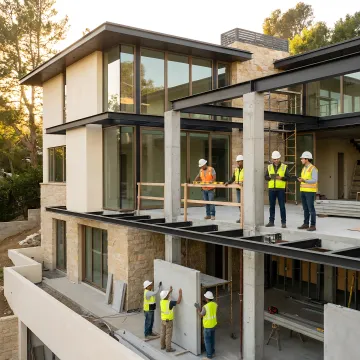
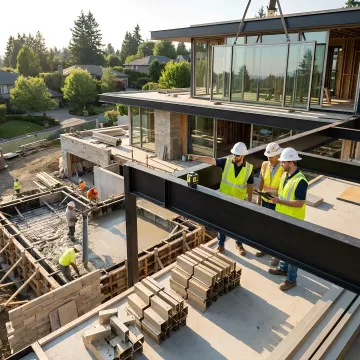
Residential structural engineering services can include site and condition review, foundation and framing evaluation, seismic considerations, wall and roof system coordination, structural detailing, and construction document support. tect’s approach adds integrated performance planning, connecting structure with fire-resistive assemblies, envelope systems, water, energy, and manufacturer input so the home functions as a coordinated long-term system.
When should I involve structural expertise in a custom home project?
Structural expertise should be involved early, before major architectural, material, roofing, and site decisions are locked. Early coordination helps avoid redesign, incompatible assemblies, budget surprises, and permit delays. For resilient homes, earth'smart powered by tect prioritizes early structural input because fire-resistive walls, seismic detailing, roofing transitions, and mechanical pathways must work together from the beginning.
Can earth'smart powered by tect work with my existing architect or engineer?
Yes. Earth'smart powered by tect offers Path B advisory and collaboration models for homeowners who already have an architect, structural engineer, or contractor. In that role, earth'smart powered by tect provides owner-side strategy, system integration review, manufacturer coordination, documentation support, and performance-focused guidance without replacing the existing team. This helps improve project alignment while preserving the team you have selected.
Do you help with wildfire-resistant structural systems?
Yes. tect’s work emphasizes fire-resilient home systems for WUI and high-risk wildfire markets. Structural coordination may include pre-insulated concrete masonry, ICF, AAC, steel-framed systems, Class A roofing, non-combustible eaves, ember-resistant venting, and integrated suppression planning. These decisions are evaluated alongside seismic performance, envelope quality, and long-term maintenance requirements.
What makes earth'smart powered by tect different from hiring a conventional engineer alone?
A conventional structural engineer may focus primarily on calculations, code compliance, and structural documentation. Earth'smart powered by tect expands coordination across architecture, engineering, construction strategy, manufacturer specifications, insurance-aligned documentation, and owner-side decision support. The goal is not just a permitted structure, but a home whose structure, systems, and envelope perform together for decades.
Do structural upgrades help with insurance concerns?
They can support a stronger risk profile when properly documented. Earth'smart powered by tect emphasizes fire-resistive assemblies, non-combustible materials, integrated suppression, on-site water supply, defensible-space coordination, and system-level documentation. While insurance decisions remain with brokers and carriers, this documentation can help demonstrate that the home was designed around measurable risk reduction rather than code minimums alone.
What areas does earth'smart powered by tect serve for residential structural support?
tect’s listed service area includes Northern and Southern California, with services also described for California wildfire-prone and WUI regions through relevant project engagements. Availability depends on the project type, delivery model, and site requirements. Homeowners can schedule a discovery call to determine whether turnkey, advisory, or collaboration support is the right fit.