What does it mean to harden a home?
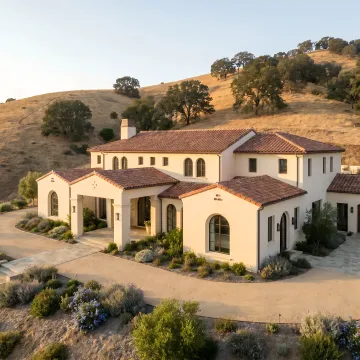
Hardening a home means designing and building it to better withstand known hazards such as wildfire, wind-driven embers, flooding, earthquakes, and impact exposure. For earth'smart powered by tect, that includes fire-resistive exterior assemblies, non-combustible materials, long-life roofing and structure, filtered air systems, coordinated mechanical strategies, and on-site fire-suppression planning. The goal is improved safety, durability, comfort, and lifecycle performance.
What is a hardened structure?
A hardened structure is a building engineered with materials, assemblies, and systems selected to reduce vulnerability under extreme conditions. In a home, that may include reinforced structure, impact-conscious openings, non-combustible exterior components, resilient roofing, protected mechanical systems, and integrated fire response features. Earth'smart powered by tect approaches this as a whole-home performance strategy, not a single product upgrade.
How does earth'smart powered by tect reduce wildfire risk in a home design?
Earth'smart powered by tect reduces wildfire risk by coordinating fire-resistive wall systems, non-combustible materials, long-life roofing, protected envelope details, and site-scale suppression strategies early in the design process. Dedicated on-site water supply and vapor dome fire-suppression concepts may be integrated where appropriate. This early coordination helps avoid mismatched systems and supports clearer permitting, construction, and risk-reduction documentation.
Can hardened home design help with insurance concerns?
A hardened home design can support insurance conversations by documenting risk-reduction strategies in a clear, coordinated way. Earth'smart powered by tect focuses on assemblies, systems, and site planning intended to materially reduce exposure, such as fire-resistive construction, non-combustible materials, suppression planning, and resilient building envelopes. Insurance outcomes vary by carrier, but stronger documentation can make the home’s performance strategy easier to evaluate.
What systems are included in a hardened home?
A hardened home can include fire-resistive exterior wall assemblies, long-life roofing, structural systems, non-combustible materials, filtered fresh-air and environmental control systems, integrated mechanical planning, on-site water supply, fire-suppression features, and coordinated envelope details. Earth'smart powered by tect evaluates these systems together so they perform as a connected home rather than a collection of isolated upgrades.
Is this only for wildfire rebuilds?
No. While Earth'smart powered by tect is especially focused on wildfire rebuilding and Wildland-Urban Interface homes, the hardened home approach also addresses flood, earthquake, impact, durability, maintenance, and indoor environmental performance. The same coordinated design principles benefit homeowners who want a safer, longer-lasting home that performs across structure, systems, and envelope for generations.
When should resilience planning begin?
Resilience planning should begin before schematic design decisions are locked in. Early choices about structure, wall assemblies, roof systems, mechanical design, water supply, site strategy, and manufacturer compatibility affect cost, permitting, performance, and buildability. Earth'smart powered by tect’s turnkey approach brings key experts in early so critical decisions are understood, coordinated, and delivered correctly.
Do you coordinate design and construction teams?
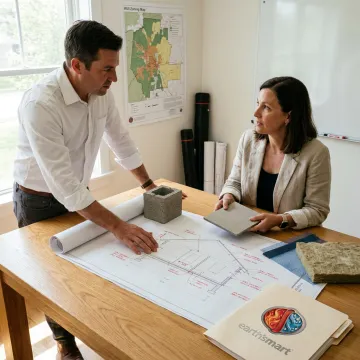
Yes. Earth'smart powered by tect’s Earth’smart™ Turnkey Delivery model is built around one coordinated team from concept through construction. The approach aligns architecture, engineering, construction, manufacturer input, and permit strategy so the home’s resilience goals are translated into buildable assemblies and systems. This reduces friction, avoids guesswork, and supports a clearer path to execution.