Flow Dynamics

Smart Valve™ by Flow Dynamics

Stop paying for air in your water bill.

In-line pressure valves deliver more water with an immediate cost savings of 15%–25%.*

*Savings will vary by property.

15–25%typical immediate savings*
10–30%of measured volume can be air
60–65 PSIwhat fixtures are designed for
No downtimequick and easy to implement
01The problems with water

Most of what goes wrong with a water bill happens before the water reaches you.

Several problems inherent in water delivery, usage and metering can affect your consumption and your costs. Most of them revolve around system pressure (PSI), flow rate (GPM) and turbulence.

01Along with the volume of water passing through your meter is a volume of air, and that volume varies as pressure fluctuates between static and dynamic. Over 99% of meters measure volume regardless of whether it is liquid or gas. 02Meters are accurate only within a specific flow range. If flow exceeds that range, the meter can measure inaccurately and charge you for more than you used. 03City pressure fluctuates, causing surges and drops that can make a meter over-spin and can damage systems and equipment. 04Fixtures are typically designed for no more than 65 PSI. Municipal pressure is often much higher, pushing too much water through fixtures and leaking through seals and gaskets.

02The solution

Established physics, applied where it pays.

The Smart Valve™ takes long-established principles of pressure and fluid dynamics—Boyle’s Law on gas pressure and volume, and Le Chatelier’s Principle of volumetric dynamics—and applies them in a new and financially rewarding way.

01

Air compression

The valve constantly adjusts to downstream demand while maintaining near city (static) pressure upstream past the meter. By not allowing pressure to drop upstream, it prevents air volume from expanding, so the air passes the meter compressed and returns to its original state afterwards.

02

Reduced consumption

Creating backpressure upstream produces a corresponding pressure drop downstream, precisely controlled to system needs. That reduces actual consumption in non-volumetric uses such as showers, sinks and hoses.

03

Flow stabilization

Proprietary variably adjusting technology eliminates the peaks and valleys that cause a meter to over-read during a surge, creating a smooth, even flow that keeps readings accurate and protects against surge damage.

04

Pressure reduction

Almost all water devices are designed for roughly 60–65 PSI. Where a pressure reducer has failed or is absent, the Smart Valve™ is a reliable back-up that achieves significant reduction in high-PSI systems.

03Project types

Wherever a meter is reading more than you actually used.

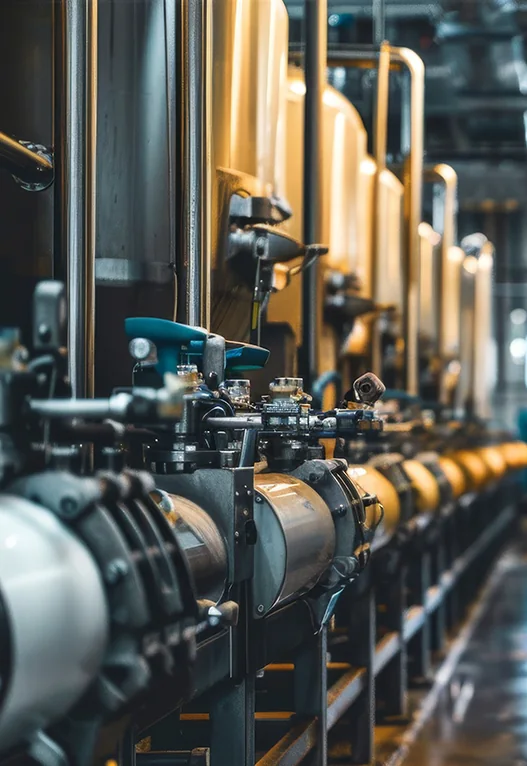
Pipework and valves running the length of an industrial plant
Industrial

Manufacturing and processing

Manufacturing, power, food and beverage, laundry, biotechnology and semiconductors.

  • Reduce facility-wide water and sewer costs
  • Meet corporate water reduction and sustainability goals
  • Improve meter accuracy and billing
  • Preserve HVAC, plumbing and equipment assets
A car moving through a commercial car wash
Commercial

Offices, healthcare and retail

High-rise and campus office, healthcare facilities and hospitals, car washes and retail.

  • Reduce water and sewer costs
  • Can help gain LEED water efficiency points
  • Extend the life of HVAC and plumbing fixtures
  • Easy to implement across an entire portfolio
Irrigation sprinklers running across a golf course at dawn
Hospitality

Hotels, resorts and restaurants

Hotels, resorts, golf courses and restaurants.

  • Help achieve EPA water conservation targets
  • Meet federal, state and local sustainability goals
  • Reduce leaks and fixture failures
  • Evidence of conservation for government subsidies
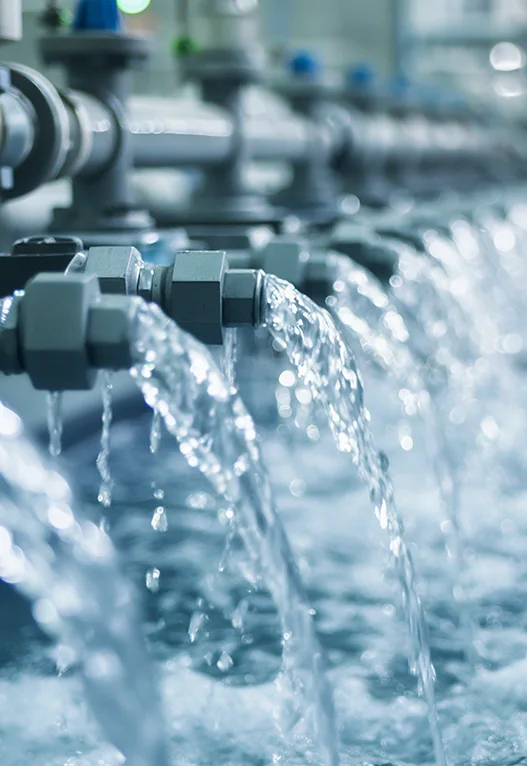
Water running from an array of institutional pipework
Institutional

Government, education and REITs

Government buildings, schools, colleges and universities, REITs, ESCOs and municipal agencies.

  • Help achieve EPA water conservation targets
  • Meet federal, state and local sustainability goals
  • Extend fixture and equipment life
  • Easy to implement across an entire portfolio
Exterior plumbing risers on a multifamily building
Multifamily

Apartments, condominiums and HOAs

Apartment buildings, low-income housing, condominiums and HOAs.

  • Savings on water and sewer expense independent of resident behavior
  • Reduce fixture leaks and failures, extend equipment life
  • Reduce operating costs and deferred maintenance
  • Hedge against water and sewer rate hikes
Sizes

3/4″ through 12″

Smart Valve™ is available in 3/4″, 1″, 1-1/2″, 2″, 3″, 4″, 6″, 8″, 10″ and 12″, in threaded and flanged installations.

Cut sheets available on request
04Installed in the field

A small device on the line, ahead of a large bill.

Installation is quick, threaded or flanged, and takes the building offline only briefly.

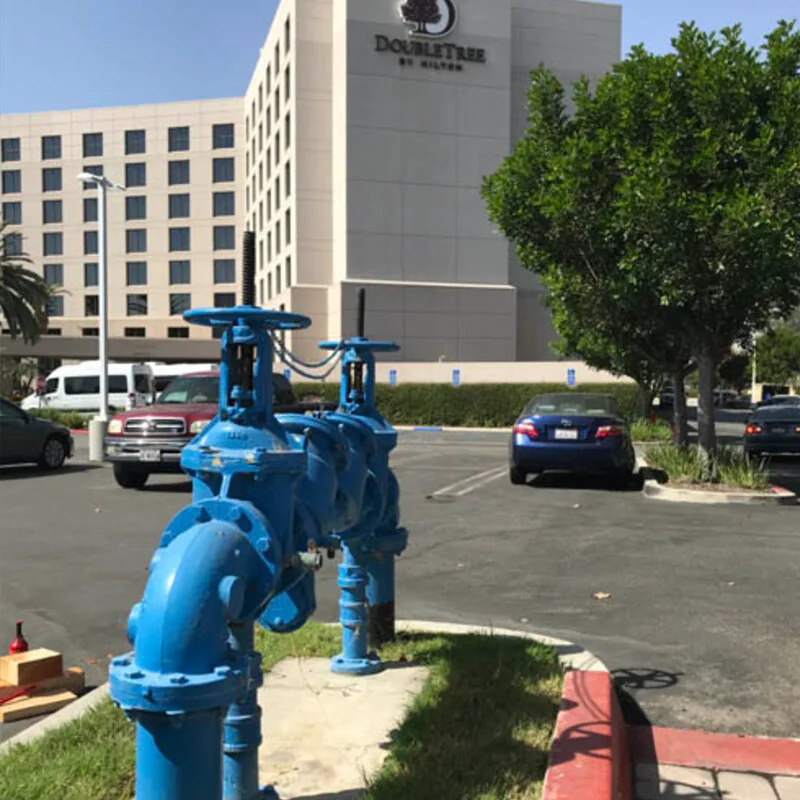
A Smart Valve installed on blue exterior pipework outside a hotel
Hotel service line.
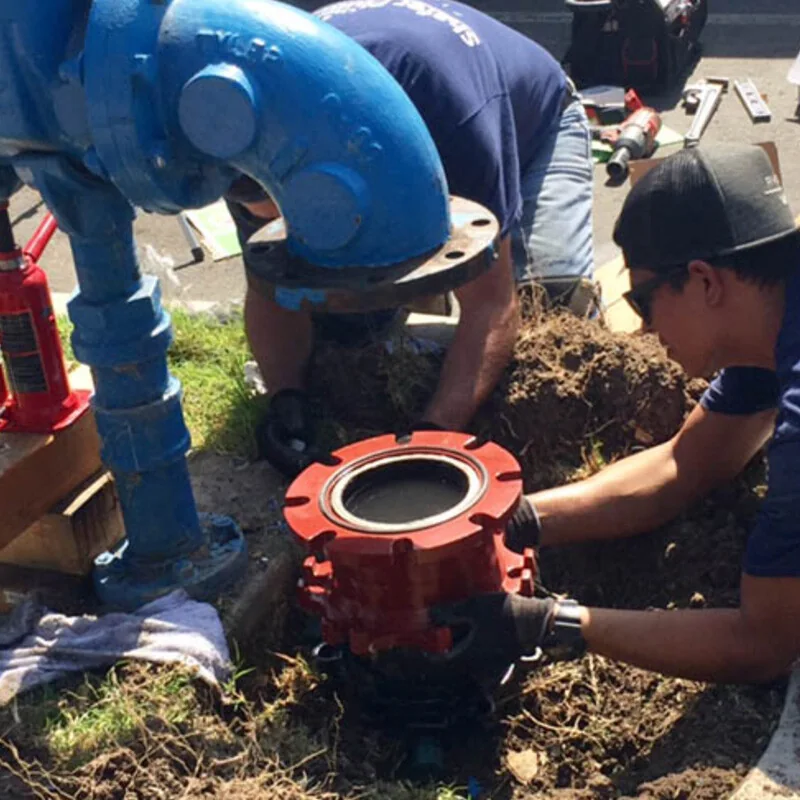
Technicians fitting a Smart Valve into an excavated supply line
Fitted into an existing supply.
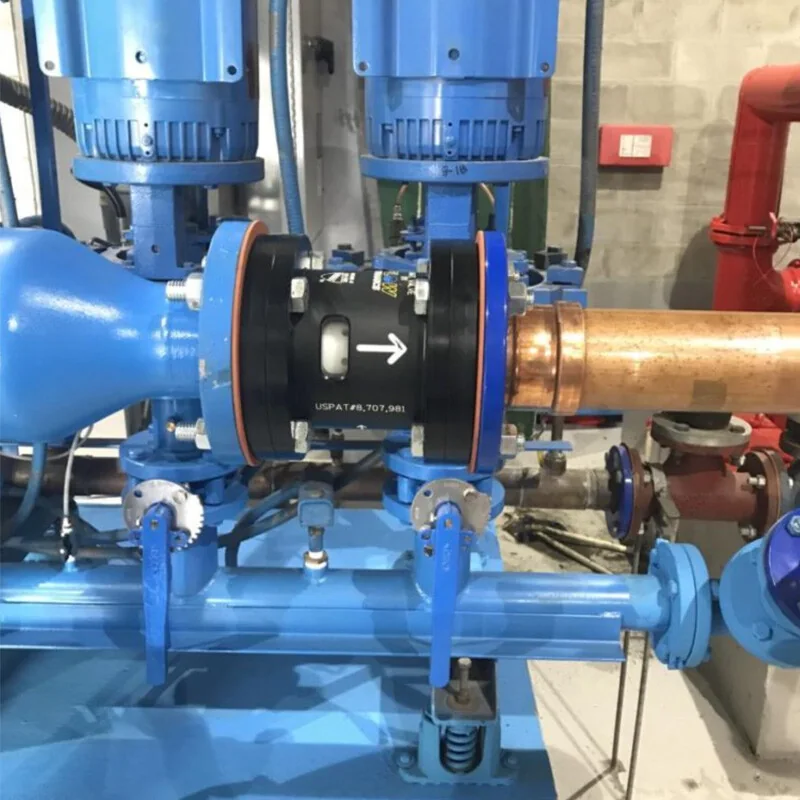
A large flanged Smart Valve installed in a mechanical room
Flanged, in a plant room.
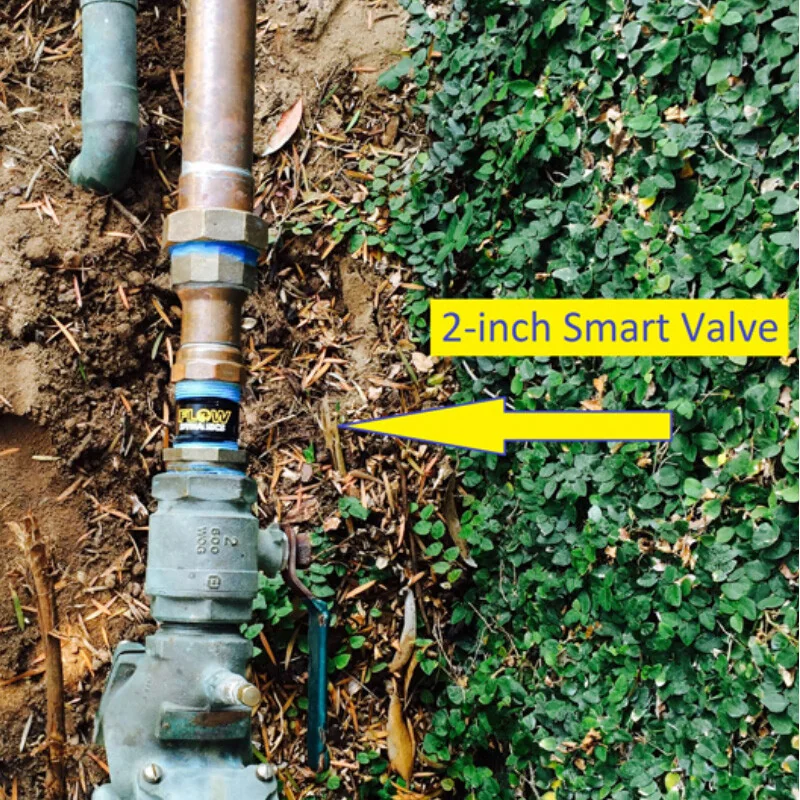
A two-inch Smart Valve on a riser beside landscaping, labelled in the photograph
A 2″ valve on an irrigation riser.

Flow Dynamics customers using the Smart Valve™

Kroger McDonald's Wendy's Outback Steakhouse Denny's Hilton Hyatt Sheraton Holiday Inn Express Best Western Courtyard by Marriott Sandals Resorts Nestle Frito-Lay Procter & Gamble Ford Goodyear Enterprise Rent-A-Car Vanderbilt University Callaway
05Frequently asked questions

The questions engineers and owners ask first.

01

How does water pressure affect my consumption? The higher the pressure in a system, the more water is pushed through it. City pressure readings keep rising as municipalities deliver more water through existing infrastructure. That is a problem because fixtures are designed for no more than 65 PSI, especially in older facilities without a pressure regulator.

02

Is there really air in my water? Water systems are pressurized, but they are not vacuums, and they are designed that way to prevent air blocks and air hammering. The real question is how much. Air volume is not constant: because gas volume is inversely related to pressure, the greater the pressure drop, the greater the increase in air volume.

03

How does air get into the line? As well as being released from entrainment in water, air is drawn in through tiny cracks, damaged joint seals and leaking flange connections, generated by temperature, flow and pressure changes, pocketed by the vortex action of pumps, and introduced in large amounts by main line breakages.

04

How am I paying for the air? Meters measure total volume, which includes any air present. Typically air can make up between 10% and 30% of total measured volume, and we have seen cases higher than that.

05

How does the Smart Valve™ save me money? It maintains close to city pressure upstream through the meter, so the pressure drops caused by normal usage never reach the meter. The air is not allowed to expand and be measured, the meter stays within its designed flow range, and over-supply from higher-than-desired city pressure is reduced.

06

How much will I save? It depends on city pressure and how much it fluctuates, flow rate and capacity, the amount of air in the line, and how water is used on the property. Savings will vary by property.

A short conversation is enough to size it

Tell us about the property and we will tell you whether it is worth doing.

Share the building type, meter sizes and roughly what you spend on water and sewer. If the Smart Valve™ is not a fit for your property, we will say so.